

To many travelers, Babi Guling—a whole roasted pig seasoned with rich spices—is one of Bali’s most unforgettable culinary experiences. The golden, crackling skin, the juicy meat, and the spicy stuffing make it a must-try for food lovers. But for the Balinese, Babi Guling is far more than just a delicious dish—it’s a cultural icon tied to spiritual rituals, village life, and centuries-old tradition. Understanding the story behind this iconic meal reveals a deeper connection to the island’s identity, where food and faith often go hand in hand.
A Dish Born From Ceremony
Babi Guling originally wasn’t something you’d find in restaurants or warungs. It was traditionally reserved for religious ceremonies and temple offerings. The dish is often prepared as a sacred gift to the gods during Hindu Balinese rituals, especially during important events like weddings, temple anniversaries, or full moon festivals. The preparation and presentation of Babi Guling are deeply rooted in ritual purity, and the act of roasting the pig becomes part of a larger spiritual practice, not just a method of cooking.
Community at the Center of the Process
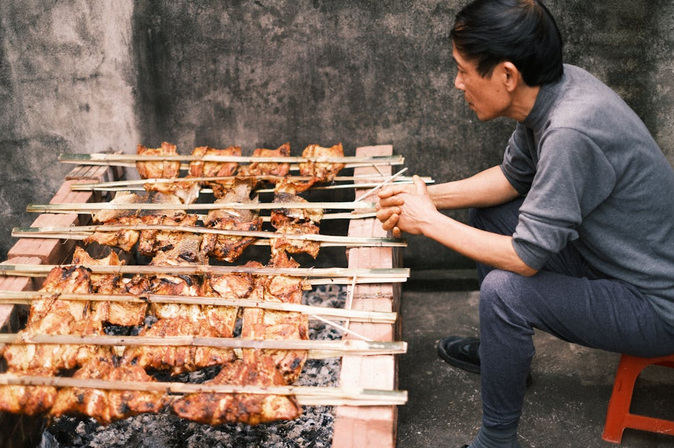
The preparation of Babi Guling is rarely a solo activity. In Balinese villages, it’s a communal effort—men gather to butcher and season the pig, while women prepare offerings and accompanying dishes like lawar (a spicy mix of vegetables, coconut, and minced meat). This process is often done in the early hours of the morning, filled with chatter, laughter, and cooperation. It’s as much about bonding as it is about preparing a meal, reinforcing a sense of unity and shared responsibility in the community.
Symbolism in Every Spice
Each ingredient used in Babi Guling carries cultural weight. The blend of turmeric, garlic, lemongrass, ginger, and chili isn’t just about flavor—it’s about balance, harmony, and protection. According to Balinese belief, these spices help purify the offering and ward off negative energy. The pig itself represents prosperity and is considered a powerful symbol when offered to the gods. The process of stuffing the pig with these aromatic herbs also symbolizes a full, abundant life, making the dish a fitting centerpiece for celebratory occasions.
From Ritual Table to Restaurant Plate
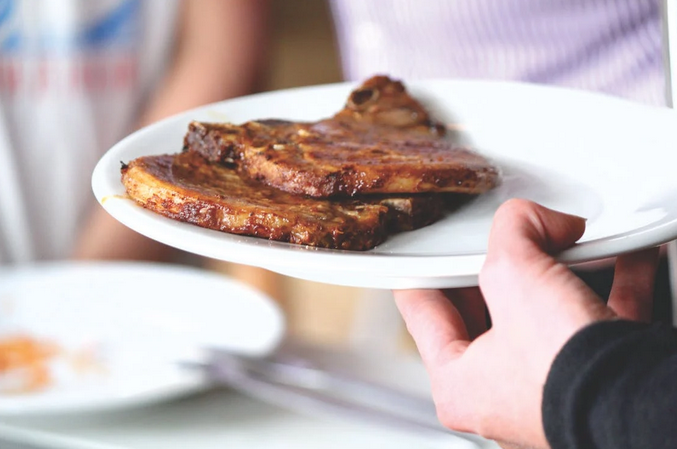
Over time, Babi Guling has made its way from sacred ceremonies into everyday Balinese cuisine. Now available at roadside stalls and high-end restaurants alike, it’s a culinary experience accessible to tourists and locals year-round. Yet even when served in a more casual setting, Babi Guling still carries the legacy of its ceremonial roots. Many Balinese cooks maintain traditional preparation methods out of respect for its cultural origins, and diners often eat it with an awareness of its deeper meaning.
A Perfect Combination of Tradition and Taste
As Babi Guling becomes more popular among visitors to Bali, there’s growing interest in the story behind the dish. Some restaurants and culinary tours now include explanations of their cultural significance, helping tourists appreciate it beyond the plate. This is an important step toward cultural preservation. While food can be enjoyed for its taste alone, understanding its …